
One oral molecule against a class of disease. Niemann-Pick type C1 and Krabbe disease lead; the remaining lysosomal storage disorders advance together as a basket trial.
The 505(b)(2) pathway
We intend to pursue UNDC-005 under the FDA's 505(b)(2) pathway, which permits an applicant to reference existing safety and efficacy data from previously approved drugs with similar pharmacological profiles. If accepted, this would allow us to rely on FDA findings of safety for alpha-cyclodextrin (NDA 20375) and on the HPβCD NPC1 programs, together with the published NIH/NHLBI study and the proprietary human pharmacokinetic and pharmacodynamic data — and to enter Phase 2b/3 without a standalone Phase 1 program.
We have not yet submitted an IND or held pre-IND meetings with the FDA, and there can be no assurance that the FDA will accept this pathway or that we will not be required to conduct additional studies before initiating clinical trials.
No program has entered clinical development. The Company has not conducted clinical trials in any indication, including NPC1. No IND has been submitted and no pre-IND meetings have been held with the FDA. Stage labels are as described in our registration statement.
Any pursuit of expansion indications would require licensing amendments, separate IND filings, pre-IND interactions with the FDA, regulatory review, and successful clinical development. No assurance can be given that UNDC-005 will demonstrate safety or efficacy in any indication.
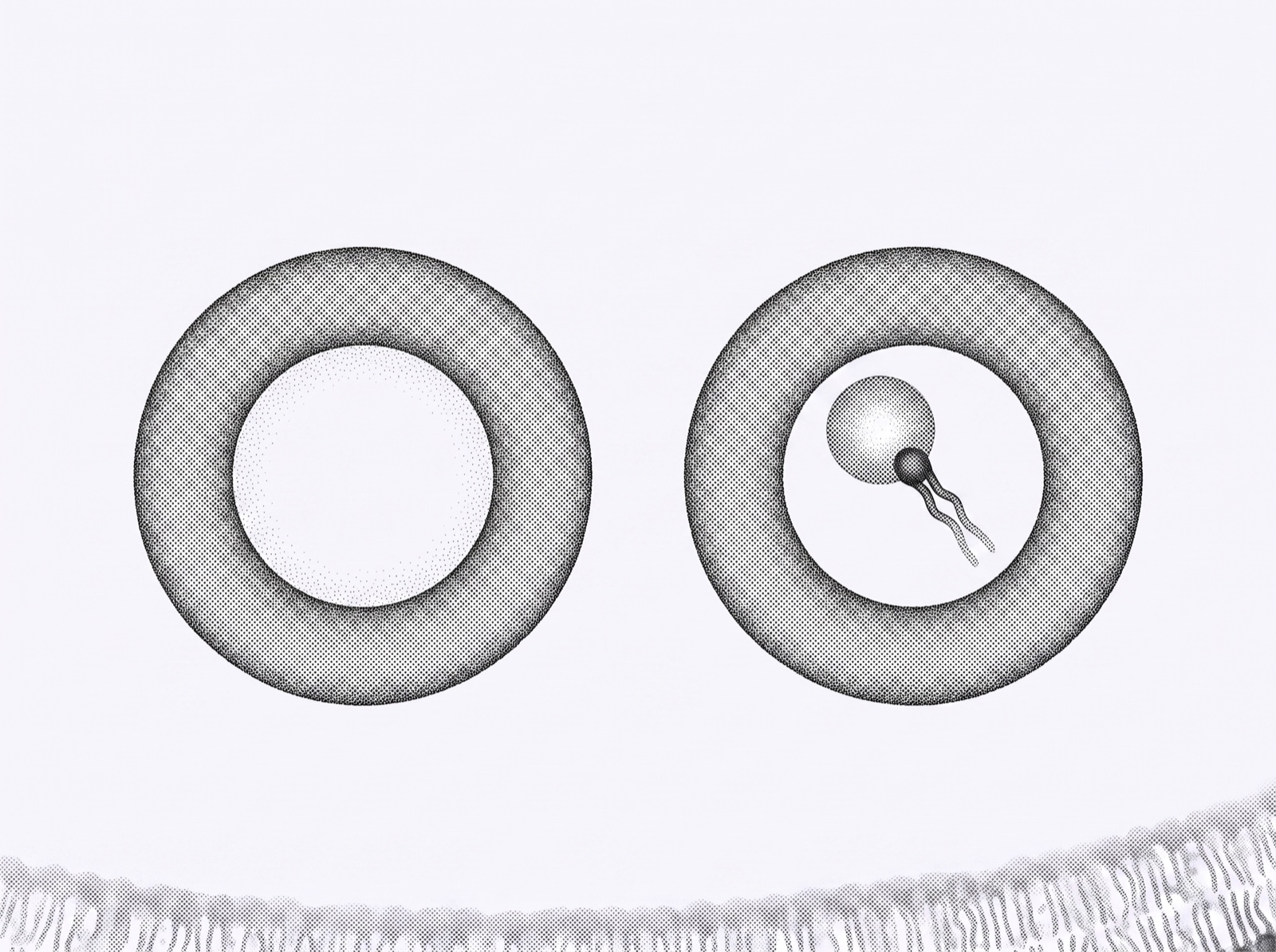
Roughly 50 inherited metabolic diseases share one failure: substrate the lysosome cannot clear.
Lysosomal storage disorders are caused by deficiencies in lysosomal enzymes or transporters, resulting in toxic substrate accumulation, progressive organ damage, and in many cases premature death in childhood or early adulthood. UNDC-005 is proposed to clear lipid from the circulation without depleting cholesterol, which is why we believe a single oral molecule may apply across the class — either alone or alongside approved enzyme replacement or substrate reduction therapies.
| Indication | Incidence | Current standard |
|---|---|---|
| Niemann-Pick disease type C1 | Rare; a limited number of diagnosed patients globally | Two therapies approved in September 2024. Neither is an oral therapy directed at clearing accumulated lysosomal lipid. |
| Krabbe disease (globoid cell leukodystrophy) |
Approximately 1 in 100,000 live births | Median survival of less than two years in the infantile-onset form, with no approved disease-modifying therapy. |
| Niemann-Pick disease types A and B | Not stated in our registration statement | Identified as an expansion indication; early-onset lysosomal dysfunction and impaired lipid trafficking drive severe, often life-limiting neurodegeneration. |
| Neuronal ceroid lipofuscinosis (Batten disease) |
Approximately 1 in 100,000 births globally | Progressive neurodegeneration, with no broadly effective treatment currently available. |
| Wolman disease, Sanfilippo syndrome type B, Tay-Sachs disease | Not stated in our registration statement | Identified as pediatric genetic lysosomal storage disorders under evaluation for UNDC-005. |
Incidence and market figures are as described in our registration statement and are drawn from third-party sources; they are estimates and may prove inaccurate.
Rights, mechanism, and the next milestone for each program.
| Indication(s) | Program | Mechanism of action | Stage | Ownership / licensing | Expected next milestone |
|---|---|---|---|---|---|
| Niemann-Pick disease type C1 (NPC1) | UNDC-005 | Oral lipid-lysosomal modulator* (HP-α-CD / sodium caprate clathrate); selectively captures pathogenic lipids within its hydrophobic cavity | Phase 2b/3 ready | In-licensed under an exclusive, worldwide, royalty-bearing agreement. Internal lead program. | IND filing and Phase 2b/3 pivotal trial initiation under the 505(b)(2) pathway; apply for Orphan Drug Designation |
| Krabbe disease; Niemann-Pick types A and B; Wolman disease; neuronal ceroid lipofuscinosis; Sanfilippo syndrome type B; Tay-Sachs disease | UNDC-005 | Same lipid-lysosomal modulation; oral lysosomal lipid clearance without cholesterol depletion, as a potential platform approach across the class | Preclinical | Under the same in-license. Krabbe disease is targeted for out-licensing to an indication-specific development partner; the remaining indications are intended for selective out-licensing after European investigator-initiated study proof-of-concept data. | European investigator-initiated study data generation to support out-licensing discussions |
* “Lipid Lysosomal Modulator” is a Company-descriptive term for UNDC-005’s proposed mechanism and is not an FDA-recognised drug classification.
One mechanism across every program.
UNDC-005 is an orally administered hydroxypropyl-alpha-cyclodextrin complexed with sodium caprate. It is proposed to selectively capture and clear pathogenic lipid species from the circulation without depleting cholesterol — the same mechanism across NPC1 and the pediatric lysosomal disorders that share its biology.
Our science